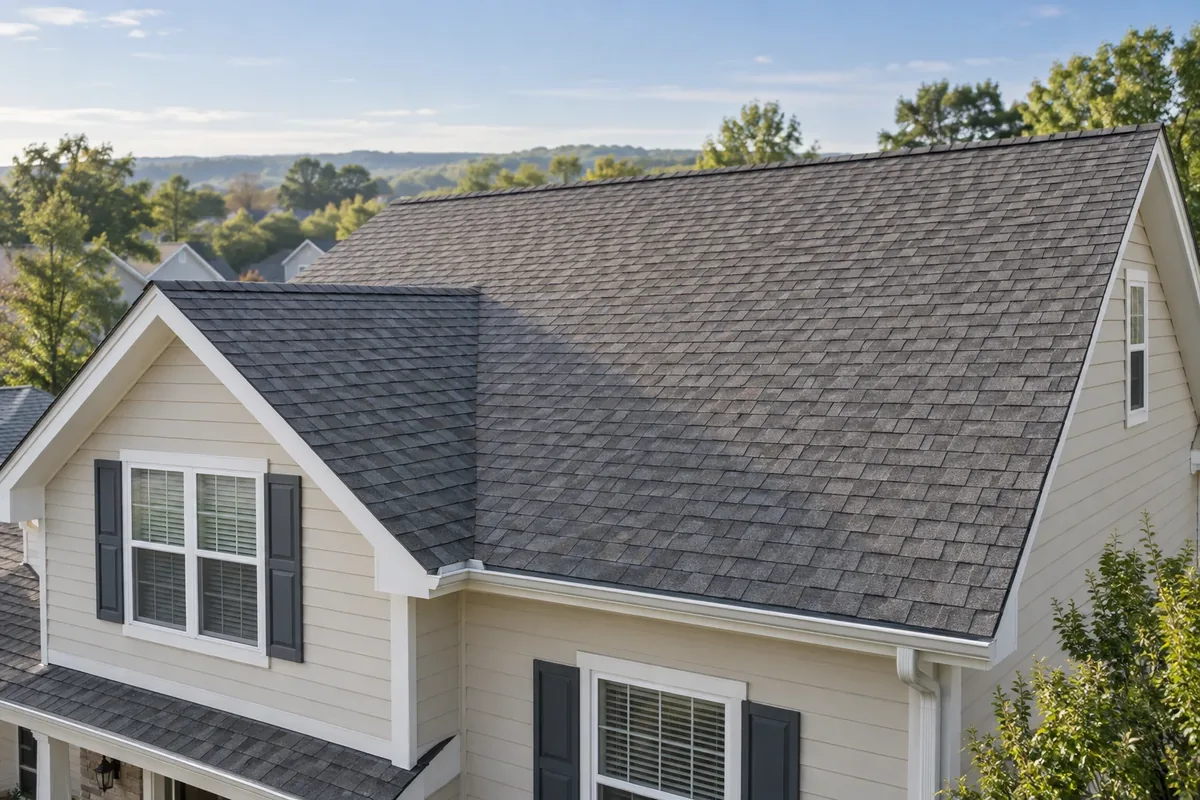
A roof exclusion is policy language that removes coverage for specified roof property, causes of loss or conditions. It may be offered when an insurer is willing to insure the home but is not willing to accept the full risk presented by an older, damaged, previously claimed, difficult-to-document, or otherwise ineligible roof.
The term “roof exclusion insurance” is commonly used by homeowners and agents, but it is not one standardized policy. One endorsement may exclude direct wind and hail damage to the roof covering. Another may exclude the entire roof assembly. A broader endorsement may also affect water that enters because of an excluded roof condition.
A roof exclusion may be a practical bridge when ordinary coverage is unavailable and immediate replacement is not realistic. It may also shift tens of thousands of dollars of risk back to the homeowner. Evaluate the tradeoff by reading the declarations, policy form, definitions, endorsements, causes of loss, deductible, and resulting-damage provisions together.
Quick Answer
Homeowners insurance with a roof exclusion may preserve coverage for many other property and liability risks while removing or limiting specified roof-related losses. However, the policy does not automatically cover everything below the roof, and the word “roof” may include more than shingles or panels.
Before accepting the policy, confirm in writing:
- What components the policy defines as the roof
- Which causes of loss are excluded
- Whether the exclusion applies to direct damage, resulting water damage, or both
- How wind, hail, cosmetic damage, matching, and deductibles are treated
- Whether the mortgage lender or servicer accepts the exact terms
- What work and underwriting approval would be required to remove the restriction later
A verbal summary is not enough. The endorsement controls.
For a list of related topics, browse the roof insurance guides.
Why a Roof Can Prevent Homeowners Insurance
An insurer may question roof age, missing installation records, prior roof claims, storm exposure or physical condition. Missing covering, failing flashing, deteriorated decking and an active leak need different responses from an older roof that remains serviceable.
Use the roof warning signs guide to understand the inspection concern. If the roof is asphalt, the asphalt lifespan guide explains why a manufacturer's estimated service life and an insurer's age guideline can differ.
An exclusion does not make an unsafe or actively damaged home eligible automatically. The rest of the property must also meet the proposed insurer's requirements.
A Roof Exclusion Is Not the Same as Actual Cash Value
This distinction should be clear before any policy is purchased.
| Policy treatment | General meaning |
|---|---|
| Replacement cost | A covered loss may be settled without a final depreciation deduction, subject to policy conditions, deductible, repair, and timing requirements |
| Actual cash value | A covered loss may be paid after depreciation is deducted |
| Roof payment schedule | Payment may be limited by a stated percentage or amount based on age, material, or schedule |
| Cosmetic damage limitation | Appearance-only damage may be excluded or limited while functional damage remains potentially covered |
| Wind or hail exclusion | Damage caused by the named peril may be excluded, sometimes for the roof only and sometimes more broadly |
| Roof exclusion | Some or all damage involving defined roof property or conditions may be excluded |
| Separate wind policy | Wind may be covered under another policy with separate terms and deductible |
Actual cash value can produce a small payment on an old roof, but it is still different from no coverage for an excluded loss. A schedule may be more predictable than open-ended depreciation, but it can still leave a large shortfall.
Ask for an example using the actual roof age, material, deductible, and replacement estimate.
What Does the Policy Mean by “Roof”?
Homeowners may think the roof means only shingles, tiles, or metal panels. Policy language may define it more broadly or use several related terms.
Potential components include:
- Roof covering
- Shingles, tile, slate, panels, or membrane
- Underlayment
- Flashing
- Ridge and hip materials
- Roof deck or sheathing
- Battens
- Fasteners
- Vents
- Skylights
- Gutters or attached drainage
- Structural framing
- Rooftop equipment
- Awnings, carports, or detached structures
Do not assume that a component is covered merely because it is below the visible covering. Read the definitions and the exclusion’s exact wording.
What Causes of Loss May Be Excluded?
A roof limitation can be organized around property, cause of loss, settlement method, or condition.
Examples include:
- All direct physical loss to the roof
- Wind and hail damage to the roof
- Named-storm damage
- Water entering through an excluded roof condition
- Cosmetic metal damage
- Matching of undamaged materials
- Wear, deterioration, maintenance, faulty construction, or repeated seepage
- Existing damage identified by inspection
Some of these causes may already be limited by the base policy. An endorsement can add another layer.
The key questions are:
- What property is affected?
- What cause of loss is affected?
- What resulting damage is affected?
- What exceptions restore coverage?
- What deductible or schedule applies?
Resulting Interior Water Damage Is a Critical Issue
A homeowner may hear, “The roof is excluded, but the inside is covered.” That statement can be incomplete or wrong for the actual policy.
Consider a windstorm that lifts shingles and rain damages ceilings, insulation, flooring, and personal property. Depending on the form and endorsement, the policy might:
- Exclude only replacement of the roof covering while considering resulting interior damage
- Exclude roof and resulting water damage caused by the excluded roof condition
- Exclude wind or hail damage more broadly
- Cover some interior property but exclude repeated seepage or long-term deterioration
- Apply separate deductibles or limitations
A claim cannot be predicted from the label “roof exclusion.” Read the endorsement alongside water, wind, wear, faulty construction, and resulting-loss provisions.
How Different Terms Can Change a Claim
Consider hail damage to an older roof. If hail is covered and the roof uses actual cash value, depreciation and the deductible can reduce payment. If an endorsement excludes hail damage to that roof, the affected damage may receive no payment. If the only additional limitation concerns cosmetic metal damage, the inspection must address whether the roof's function was affected under that wording.
These are illustrations, not promises of coverage. A loss involving ceilings, siding or personal property needs its own review. The claims guide explains how to document the event and ask for the policy basis for a decision.
Why an Insurer May Offer an Exclusion Instead of Declining
A roof exclusion can allow an insurer to consider the rest of an otherwise acceptable property while removing a risk it does not want to assume.
That can benefit a homeowner who needs:
- A policy before an existing one expires
- A bridge while planning roof replacement
- An option after a roof-age non-renewal
- An alternative to a residual-market plan
- Coverage for a difficult property where the roof is the main obstacle
It also benefits the insurer by limiting a frequent and expensive source of loss.
The tradeoff must remain visible. The homeowner may be responsible for repairing or replacing the roof after a storm, and an excluded roof problem may also create uninsured interior damage depending on the wording.
Does the Rest of the Home Stay Covered?
Other coverages can remain, but confirm each one in the complete policy. A roof endorsement may affect more than the cost of shingles, including water that reaches ceilings, contents or other building components.
Review dwelling, other structures, personal property, liability and additional living expense separately. The base policy's exclusions, limits, deductibles, occupancy conditions and duties still apply. An excluded roof problem does not become covered merely because the resulting damage occurs below it.
Will a Mortgage Lender Accept It?
Possibly, but lender and servicer requirements vary.
A lender may focus on:
- Dwelling limit
- Replacement-cost estimate
- Deductibles
- Covered hazards
- Named insured and mortgagee wording
- Effective dates
- Wind or flood requirements
- Policy ratings or carrier acceptability
- Material exclusions
A roof exclusion or reduced settlement provision can conflict with a loan requirement. Lender rules may require broader protection than the proposed policy offers. Obtain a decision on the actual documents, especially before a closing.
Provide the lender or servicer with the declarations and relevant endorsements and obtain approval before relying on the policy.
How Does This Compare With a FAIR Plan?
FAIR Plans and other residual-market mechanisms vary substantially by state. Some provide basic property coverage. Some require evidence that ordinary insurance is unavailable. Some work with companion policies. Covered perils, liability, personal property, additional living expense, deductibles, inspections, limits, and pricing differ.
A private specialty policy with a roof exclusion may be worth comparing, but it is not automatically better.
Compare:
- Total premium and fees
- Roof coverage
- Wind and hail coverage
- Water damage
- Fire and smoke
- Liability
- Personal property
- Additional living expense
- Other structures
- Deductibles
- Companion policies
- Carrier financial information
- Lender acceptance
- Cancellation and inspection conditions
The goal is to find the best available fit for the homeowner’s actual needs, not to avoid a state plan merely because it is a state plan.
Can the Exclusion Be Removed Later?
Sometimes, but never assume removal is automatic.
A carrier may require:
- Complete roof replacement
- Specific materials
- Licensed contractor invoice
- Permit and final inspection
- Photographs of the deck and completed roof
- Proof of repaired interior damage
- A new roof inspection
- Updated replacement-cost information
- Underwriting approval
- A policy change effective only after a stated date
Repair or replacement can improve future options without guaranteeing them. The insurer will still evaluate the location, claims history, occupancy, property condition, and current appetite.
Ask before the work begins what evidence will be needed. After completion, obtain a written endorsement or replacement declarations showing the restriction was actually removed.
What to Do After a Roof-Related Non-Renewal
1. Read the notice carefully
Record the stated reason, effective date, and any opportunity to provide evidence or repairs.
2. Request the inspection material
Ask for photographs, aerial images, reports, and the exact underwriting concern.
3. Verify the roof facts
Gather the installation invoice, permit, warranty, prior inspection, contractor records, and photographs.
4. Address active damage
A roof exclusion is not a safe way to ignore an active leak, open storm damage, unsafe condition, or ongoing deterioration.
5. Obtain a current inspection
The report should identify material, age evidence, condition, active leakage, damage, repairs, flashing, drainage, and each roof section.
6. Coordinate coverage dates
Do not cancel existing coverage based on an unbound alternative. Confirm the expiration date and seek replacement coverage before it ends.
7. Compare markets and structures
Ask whether a standard carrier, specialty carrier, ACV structure, schedule, roof exclusion, wind policy, or FAIR Plan is available.
8. Review lender requirements
Do this before binding when the home is mortgaged or a closing is pending.
9. Read the complete policy
At minimum, review the declarations, roof endorsement, deductibles, wind and hail terms, water exclusions, duties after loss, and cancellation conditions.
Questions to Ask Before Accepting a Roof Exclusion
- What exact endorsement creates the exclusion?
- What does the policy define as the roof?
- Is the exclusion complete or limited to specific perils?
- Are underlayment, flashing, decking, gutters, skylights, or attached structures included?
- Is resulting interior water damage affected?
- Does the exclusion apply to detached garages, porches, or carports?
- What wind, hail, hurricane, or named-storm deductible applies?
- Is cosmetic damage excluded?
- How is matching treated?
- Are emergency tarping and debris removal covered?
- Are repairs required by a deadline?
- What happens if the required work is not completed?
- Can the restriction be removed later?
- What proof and inspection will be required?
- Will the lender or servicer accept it?
- Is another policy needed for wind or another cause of loss?
Ask for answers in writing when possible.
How Much Risk Are You Keeping?
A homeowner should estimate the retained risk rather than looking only at premium.
Consider:
- Current roof replacement estimate
- Emergency tarping
- Tear-off and disposal
- Decking and structural repair
- Interior water damage
- Mold or remediation costs
- Temporary housing
- Debris removal
- Code upgrades
- Matching or unavailable materials
- Separate wind deductible
- Ability to finance a sudden repair
A lower premium may not be a savings if the policy transfers a loss the homeowner cannot afford.
When a Roof Exclusion May Be a Reasonable Bridge
A limited policy may be worth considering when:
- The roof is older but currently serviceable.
- No active damage is being concealed.
- The homeowner understands the retained risk.
- The lender accepts the exact policy.
- The policy preserves meaningful coverage for other hazards.
- The homeowner has a realistic repair or replacement plan.
- The alternative is a lapse or less suitable available coverage.
It may be a poor fit when:
- The roof is actively leaking or unsafe.
- The homeowner cannot absorb an excluded loss.
- The lender rejects the terms.
- The endorsement is broader than represented.
- A better available option has not been compared.
- Required repairs are unlikely to be completed.
Homeowners Insurance With a Roof Exclusion Is an Option, Not a Shortcut
The value of a roof exclusion is that it may preserve access to homeowners insurance when the roof is the main barrier. The danger is that the homeowner may believe the restriction is narrow when the written language is broad.
Understand the roof, understand the endorsement, document the property, and compare the real alternatives.
For material, lifespan, shape, and ventilation information, use the Roof Types, Lifespans, Ventilation and Insurance guide. For a loss that has already happened, read Claims With a Roof Exclusion.
Request a roof exclusion quote.
Availability and coverage are not guaranteed. Quote requests are unavailable for properties in California, Hawaii, New York and Rhode Island.
Frequently Asked Questions About Roof Exclusions and Homeowners Insurance
What is a roof exclusion, and what coverage remains?
A roof exclusion removes coverage involving defined roof property, conditions, or causes of loss. Many other property and liability coverages may remain, but the base policy still has exclusions. Read the endorsement with the entire policy: it may affect direct roof damage, specific causes of loss, or resulting water damage.
Can I get homeowners insurance if my roof is old?
Sometimes. A carrier may consider material, age, condition, inspection, claims, location, and the rest of the property, or offer ACV, a schedule, a peril limitation, or a roof exclusion. A specialist familiar with difficult homeowners insurance can help compare markets and policy structures. Review the written terms, retained risk, documentation, and lender requirements before choosing.
Is actual cash value the same as a roof exclusion?
No. Actual cash value generally provides payment for a covered loss after depreciation, while an exclusion may provide no payment for excluded damage. A roof schedule, cosmetic limitation, and wind or hail exclusion are also different.
Will my mortgage lender accept a roof exclusion?
Possibly, but lender and servicer requirements vary. Provide the exact declarations and endorsement and obtain approval before relying on the policy for a mortgage, refinance, or closing.
Is a roof exclusion better than a FAIR Plan?
Not automatically. Compare the actual private policy and state-plan structure for roof, wind, water, liability, personal property, living expense, deductibles, companion policies, total cost, and lender acceptance.
Can a roof exclusion be removed after replacement?
A carrier may consider removal after documented work and underwriting review, but it is not automatic. Obtain written confirmation or a new endorsement showing that the restriction has been removed.
About this information
This is general education. RoofExclusion.com provides information and a way to request assistance, and does not issue policies or decide claims. Coverage, eligibility, repair requirements and lender acceptance depend on the property, insurer, state and actual policy. Use qualified roofing and insurance professionals for decisions about your home.
Sources
- NAIC: actual cash value and replacement cost
- Texas Department of Insurance: insurance and your roof
- NAIC: FAIR Plans and state-by-state differences
- NAIC: consumer guide to home insurance