A roof exclusion does not create one automatic claim result. The outcome depends on the exact endorsement, the property it applies to, the cause of loss, the condition of the roof, resulting damage, deductibles, other exclusions, and the homeowner’s duties after loss.
A policy might exclude only direct wind or hail damage to the roof covering. Another might exclude the complete roof assembly. A broader exclusion might also affect water that enters through an excluded roof condition. Two policies described casually as “roof excluded” can therefore respond very differently to the same storm.
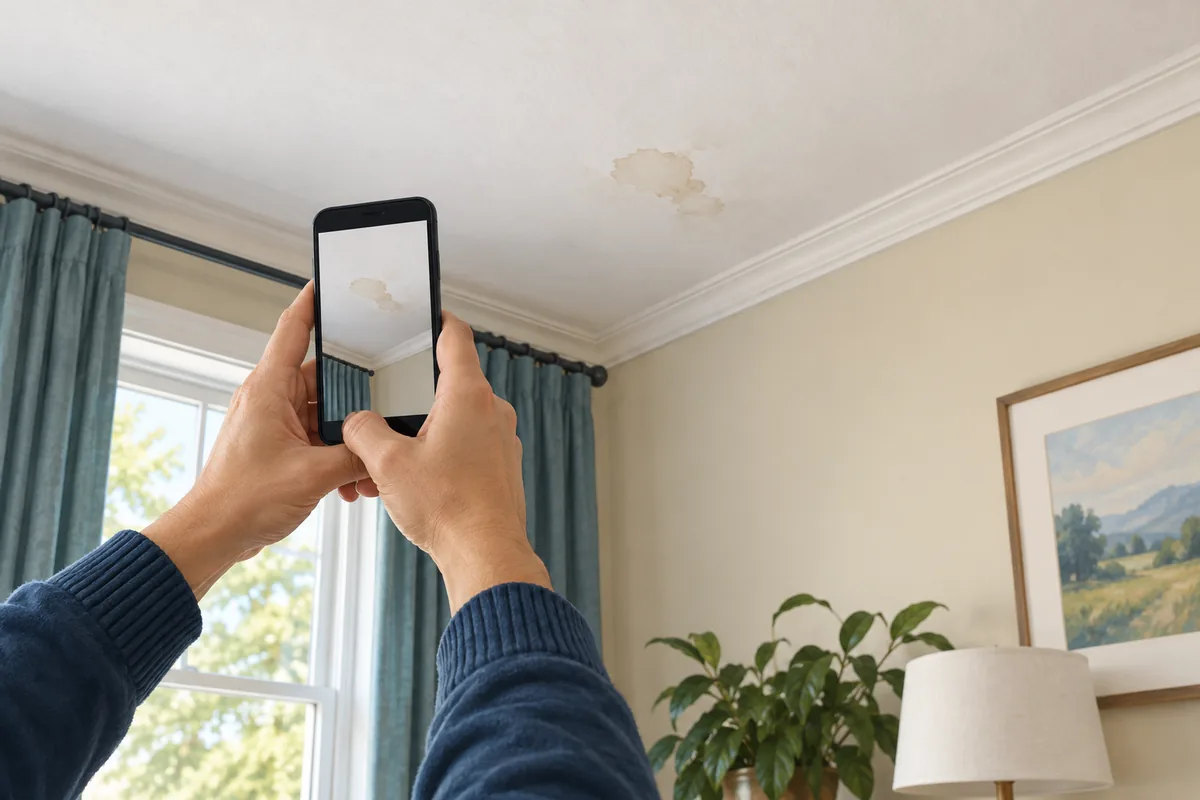
After a loss, protect people and property, prevent additional damage when safe, document the conditions, report the facts, preserve evidence, and read the complete policy. Do not assume that the claim is covered or uncovered based on the endorsement’s title alone.
Quick Answer
Five questions usually control the initial analysis:
- What caused the damage?
- What property was damaged?
- What does the roof endorsement exclude or limit?
- Does the policy address resulting interior water or other ensuing damage?
- What deductible, settlement method, and duties apply?
A claim may involve covered and excluded damage at the same time. For example, a policy might exclude damage to an old roof but still require evaluation of a fallen tree, damaged siding, personal property, or interior areas under other provisions. The written form and facts control.
Read More Than the Declarations Page
The declarations page summarizes limits, deductibles, and endorsements, but it rarely contains the complete coverage language.
Review:
- Declarations
- Homeowners coverage form
- Roof exclusion or limitation endorsement
- Wind and hail endorsements
- Water exclusions and limitations
- Actual cash value or roof schedule endorsements
- Cosmetic damage and matching provisions
- Named-storm or hurricane deductible
- Ordinance or law coverage
- Duties after loss
- Loss-settlement conditions
- Appraisal or dispute provisions
- Separate wind or flood policies
Ask the insurer or agent for the complete policy, including every applicable endorsement, if your copy is incomplete.
Identify What the Policy Calls the Roof
The visible covering may be only part of the defined roof. The endorsement could include underlayment, flashing, deck, vents, skylights, structural components or attached roof sections. Detached structures may have separate wording.
A claim involving a vent or the deck cannot be answered just by asking whether the shingles are excluded. Compare the damaged component with the actual definitions.
Identify the Cause of Loss
Damage can follow wind, hail, a falling object, fire, water entry or a combination of events. Deterioration, faulty work, condensation or long-term seepage can also contribute. An older roof may have preexisting wear and new storm damage at the same time.
The contractor's condition assessment and the insurer's coverage decision answer different questions. Ask the contractor to identify the physical observations and the insurer to explain how the policy applies. The roof warning signs guide distinguishes common findings without predicting claim coverage.
Direct Roof Damage and Resulting Interior Damage
A storm can damage several things: covering, deck, insulation, ceilings, floors and personal property. The policy may treat them differently. Some roof wording also addresses resulting water damage, while other forms require evaluation under separate provisions.
Review building property, personal property, mold-related limits and additional living expense individually. A room being below the roof does not establish coverage. Neither does the phrase “roof excluded” prove every loss from the event is excluded.
Common Claim Scenarios
These examples are simplified and do not predict a real outcome.
Wind lifts older asphalt shingles
The roof endorsement excludes wind damage to the roof covering. Rain enters through the opening and stains ceilings.
Questions:
- Does the exclusion apply only to covering or to the entire roof?
- Does it also address water entering through excluded roof damage?
- Is wind excluded elsewhere?
- Was there a sudden opening or long-term leakage?
- What deductible applies?
Hail dents a metal roof
The roof remains watertight but panels have visible dents.
Questions:
- Is cosmetic damage excluded?
- Is there functional damage to seams, coating, or panels?
- Does matching apply?
- Is the roof settled on ACV or a schedule?
Tree falls on the house
A tree damages roof framing, covering, and an exterior wall.
Questions:
- Is falling-object damage covered?
- Does the roof exclusion remove only roof components?
- Are debris removal and tree removal covered?
- Is interior damage considered separately?
- Does the exclusion apply to structural framing?
Fire damages an excluded roof
A fire damages roof covering and framing.
Questions:
- Is the exclusion limited to wind or hail, or all causes of loss?
- Does it exclude only an identified deteriorated condition?
- How does the fire coverage interact with the endorsement?
A roof excluded for wind and hail may still be treated differently after fire. A complete exclusion may be broader.
Long-term leak is discovered
The homeowner finds rot, staining, and damaged insulation beneath an old flashing repair.
Questions:
- When did the leakage begin?
- Was it repeated or continuous?
- Is wear, deterioration, maintenance, faulty repair, or seepage excluded?
- Was any separate sudden event involved?
- Did the homeowner take reasonable action after discovering the problem?
The claim can be limited even without a special roof exclusion because standard policy exclusions may apply.
Separate wind policy
A homeowner has a main policy and a separate wind policy.
Questions:
- Which policy covers each damaged item?
- Are the effective dates aligned?
- Do separate deductibles apply?
- Is one insurer waiting for the other?
- Does either policy contain a roof schedule or exclusion?
Report the loss according to both policies when appropriate and avoid assuming one carrier will coordinate automatically.
What to Do Immediately After Damage
Protect people first
Stay away from downed power lines, unstable structures, active fire, falling materials, and unsafe roofs. Contact emergency services when needed.
Prevent additional damage when safe
Reasonable temporary measures may include:
- Emergency tarping by a qualified contractor
- Moving property away from water
- Extracting standing water
- Boarding an opening
- Drying accessible areas
- Shutting off utilities when directed
Do not take unreasonable risks or make permanent repairs before the insurer has a reasonable opportunity to inspect, unless immediate work is necessary to protect the property or comply with safety requirements.
Document before major changes
Capture:
- Overall property and roof
- Each damaged area
- Interior damage
- Water paths
- Fallen tree or debris
- Date and time
- Weather information
- Temporary repairs
- Damaged personal property
Keep original files and do not rely only on screenshots or compressed messages.
Keep receipts
Retain receipts for emergency services, materials, temporary lodging, and other costs. A receipt does not guarantee reimbursement, but missing records can complicate review.
Report the facts
Describe what happened, when it happened, and what you observed. Avoid guessing the cause or describing old damage as new.
Duties After Loss
Policies commonly require the insured to take steps such as:
- Give prompt notice
- Protect property from further damage
- Keep repair records
- Prepare an inventory
- Show damaged property
- Provide documents
- Submit to examination under oath where required
- Cooperate with the investigation
- Send legal notices involving the loss
- File a proof of loss when requested
The exact duties vary. Failing to comply can affect the claim, so read the policy and written insurer instructions.
Emergency Repairs and Contractor Agreements
After a storm, contractors may ask the homeowner to sign documents involving:
- Inspection authorization
- Emergency services
- Assignment of benefits or rights
- Direction to pay
- Contingency contracts
- Repair scope
- Financing
- Cancellation rights
- Legal representation
Do not sign a document that is not understood. State laws differ, and some arrangements can transfer rights or create payment obligations beyond the insurance proceeds.
A public adjuster, attorney, contractor, engineer, roofer, and insurance adjuster have different roles. Verify licensing and scope where applicable.
Settlement Can Be Limited Even When Damage Is Covered
Actual cash value can reduce the payment by depreciation. Some replacement-cost policies initially pay a depreciated amount and release eligible additional payment after documented repairs within their requirements. A roof payment schedule can use age and material to limit payment differently.
An exclusion is a separate issue: it can remove payment for the specified damage altogether. Request the estimate, measurements, depreciation, deductible and policy basis in writing. The roof exclusion guide compares these terms.
Matching, Repairability, and Discontinued Materials
The insurer and contractor may disagree about whether a localized repair is reasonable.
Factors include:
- Material availability
- Brittleness
- Panel or tile profile
- Color and weathering
- Ability to remove surrounding material without damage
- Code requirements
- Manufacturer instructions
- State matching rules
- Policy limitations
A cosmetic mismatch does not automatically require full replacement, and a repair proposal does not automatically prove that the roof can be restored without wider work.
Obtain a specific explanation and supporting photographs rather than broad conclusions.
When the Claim Decision Is Unclear
Ask the insurer for:
- Written coverage decision
- Policy language relied upon
- Estimate and scope
- Photographs and reports
- Cause-of-loss conclusions
- Depreciation calculation
- Deductible explanation
- Appeal, reconsideration, appraisal, mediation, or complaint options
- Deadlines
Read the letter carefully. A partial payment, denial, reservation of rights, and request for more information are different stages.
When to Seek Additional Help
Depending on the issue, assistance may come from:
- The agent or broker
- A qualified roofer
- Engineer or building professional
- Licensed public adjuster where appropriate
- Insurance attorney
- State department of insurance
- Mortgage servicer
- Restoration or mitigation professional
The right resource depends on whether the dispute concerns condition, repair scope, cause, policy interpretation, claim handling, lender requirements, or safety.
Do not miss a policy, appeal, lawsuit, or regulatory deadline while trying to resolve the problem informally.
Can a Claim Cause Non-Renewal?
A claim, roof condition, catastrophe exposure, or completed inspection may affect future underwriting, but notice rules and permissible reasons vary by state. The claim itself may not be the only issue. An insurer may be concerned that repairs were incomplete, the roof remains old, or another condition exists.
After repairs:
- Preserve invoices and photographs.
- Obtain permits and final inspections.
- Confirm the roof age and material in the insurer’s records.
- Ask for written confirmation that required work is accepted.
- Shop before any non-renewal deadline.
Do not assume claim closure automatically updates underwriting records.
Understand the Exclusion Before the Storm
Ask which components and causes are excluded and how the policy treats resulting water, emergency protection, debris removal and additional living expense. Confirm separate wind coverage and deductibles if applicable.
Keep a copy of the policy and roof documentation where you can reach it after a loss. The complete roof and insurance guide explains the installation and repair records worth keeping, and the article hub lists the related material guides.
A Roof Exclusion Does Not Mean You Should Skip the Claim Review
Homeowners sometimes assume there is no reason to report a loss because the roof is excluded. That can be a mistake when the event also damaged covered property or when the exclusion is narrower than expected.
The opposite mistake is assuming that interior damage must be covered even though the endorsement addresses resulting water.
Review the policy, document the complete loss, report it according to the policy, and request a written decision.
If a prior roof loss is making future insurance difficult to find, request a roof exclusion quote. This request concerns possible future coverage. It does not reopen a claim or insure damage that occurred before a new policy took effect.
Availability and coverage are not guaranteed. Quote requests are unavailable for properties in California, Hawaii, New York and Rhode Island.
Frequently Asked Questions About Claims With a Roof Exclusion
Should I file a claim if my roof is excluded?
Review the policy and report requirements before assuming there is no coverage. The same event may damage property outside the exclusion, and the endorsement may be narrower than the phrase “roof excluded” suggests.
Is interior water damage covered when the roof is excluded?
Sometimes, but not automatically. The answer depends on the cause of loss, wording of the roof endorsement, water exclusions, resulting-damage provisions, and whether the condition was sudden or long-term.
Can I make emergency roof repairs before the insurance inspection?
Emergency work may be necessary, but payment for tarping or other mitigation depends on the policy and cause of loss. Notify the insurer, document the condition, keep receipts, and preserve photographs and materials. Permanent replacement before inspection can make documentation harder. Follow written instructions when safe and reasonable, and ask how mitigation expenses will be handled.
Can the insurer deny a roof claim because the roof is old?
Age alone is not the same as an exclusion, but the policy may use ACV, a schedule, wear or deterioration exclusions, or a specific roof endorsement. Ask for the written policy basis for the decision.
What if the contractor and insurer disagree about my roof claim?
Ask for the observed damage, cause, assessment method, repairability, supporting photographs, and written policy basis for the decision. Contractors evaluate repairs; insurers explain how the policy applies. Depending on the dispute, your agent, an engineer, licensed public adjuster, attorney, or state insurance department may help. Pay attention to policy and legal deadlines.
Does a new policy cover an old roof claim?
No. A policy generally does not cover damage that occurred before its effective date, and known damage must be disclosed accurately. A new policy may help with future coverage only after underwriting and binding.
About this information
This is general education. RoofExclusion.com provides information and a way to request assistance, and does not issue policies or decide claims. Coverage, eligibility, repair requirements and lender acceptance depend on the property, insurer, state and actual policy. Use qualified roofing and insurance professionals for decisions about your home.
Sources
- NAIC: navigating the claims process
- NAIC: post-disaster claims guide
- Texas Department of Insurance: insurance and your roof
- NAIC: actual cash value and replacement cost